How Modern Clinic Management Systems Are Built in 2026
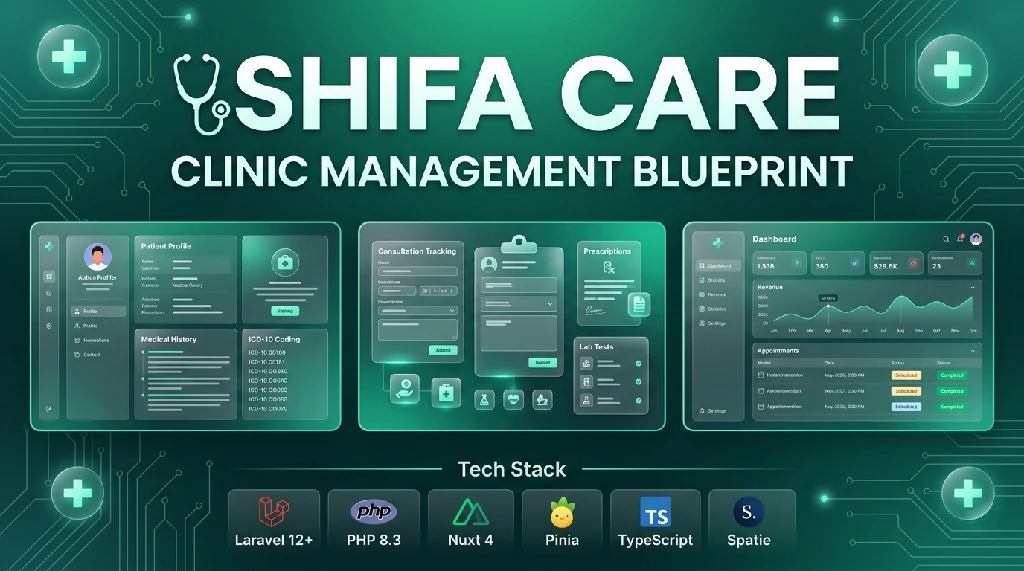
Clinic management systems are no longer simple CRUD apps. Here’s what a modern medical platform looks like in 2026.
🩺 Why Clinics Need Modern Systems
In 2026, spreadsheets and paper-based workflows are no longer enough for clinics and medical centers. Modern healthcare businesses need fast, organized, and scalable systems to manage patients, appointments, consultations, and finances efficiently.
A good clinic management system improves both operational efficiency and patient experience.
👤 Patient Management & Medical History
The foundation of any medical platform is structured patient data.
Core features usually include:
- Detailed patient profiles
- Unique patient codes
- Medical history tracking
- Allergies and chronic diseases
- Historical vitals monitoring
Centralized patient records allow doctors to access important medical information instantly during consultations.
🏥 Consultations & Diagnostics
Modern consultation systems go beyond simple notes.
Essential features:
- Physical examination records
- Diagnosis management
- ICD-10 integration
- Digital prescriptions
- Laboratory test management
This creates a complete medical workflow that is easier to track, review, and maintain.
📅 Appointment & Queue Management
Scheduling is one of the biggest operational challenges for clinics.
Modern systems typically provide:
- Smart appointment booking
- Status management (Scheduled, Completed, Cancelled)
- Real-time queue monitoring
- Doctor schedule organization
- Automated reminders
Efficient scheduling reduces waiting times and improves clinic organization.
💰 Financial Tracking & Analytics
Financial management is just as important as clinical operations.
Key capabilities include:
- Payment tracking
- Multiple payment methods
- Revenue analytics
- Financial reporting
- Patient and medication statistics
Dashboards and analytics help clinic owners make better operational decisions.
⚙️ Recommended Tech Stack in 2026
Building a scalable healthcare platform requires a modern architecture.
Backend
- Laravel 12/13
- PHP 8.3+
- Laravel Sanctum
- Service-based architecture
- Spatie Activity Log
Frontend
- Nuxt 4 + Vue 3
- TypeScript
- Pinia
- TailwindCSS
- Shadcn-Vue
This stack provides strong performance, maintainability, and scalability for long-term development.
🎨 UX Matters More Than Ever
Even powerful systems fail if they are difficult to use.
That’s why modern medical platforms focus on:
- Responsive layouts
- Dark/Light mode
- Skeleton loaders
- Fast search and autocomplete
- Clean dashboards for doctors and staff
The goal is to reduce friction and improve workflow speed.
📊 Quick Overview
| Section | Main Purpose |
|---|---|
| Patient Management | Centralized medical records |
| Consultations | Diagnoses and prescriptions |
| Appointments | Scheduling and queue organization |
| Financial Records | Billing and revenue tracking |
| Analytics | Reports and real-time statistics |
| Staff Management | Role-based access control |
✅ Final Thoughts
Modern clinic management systems are no longer simple CRUD dashboards.
Healthcare platforms in 2026 require:
- Clean architecture
- Strong security
- Fast UX
- Scalable infrastructure
- Reliable data management
With technologies like Laravel and Nuxt, developers can build robust healthcare systems that scale from small clinics to large medical centers.
Related Posts

How to Find Freelance Clients on LinkedIn as a Laravel Developer

Eager vs Lazy Loading in Laravel (Clear, Practical Guide)

Top Web Development Interview Questions (And How to Answer Them Right)

Which LinkedIn Posts Web Developers Should Target for Profile Views & Engagement

20 Core JavaScript Concepts That Will Instantly Make You a More Confident Developer