Top Web Development Interview Questions (And How to Answer Them Right)
Get the top web dev interview questions and how to answer them clearly. Frontend, backend, and full-stack covered.
Introduction
Web development interviews don’t just test your skills — they test your communication, reasoning, and confidence.
Here’s a list of real web developer interview questions (for frontend, backend, and full-stack roles) and the best way to approach each one — without sounding robotic or rehearsed.
🧠 1. “What’s the difference between '==' and '===' in JavaScript?”
What they want: Understanding of type coercion and strict comparison.
Good answer:
== checks for value equality, allowing type conversion. === checks for both value and type, no conversion. Always prefer === to avoid unexpected bugs.
🔄 2. “Explain how the MVC architecture works.”
What they want: Practical knowledge of frameworks like Laravel or Rails.
Good answer:
MVC separates concerns: Models handle data, Views handle UI, Controllers handle requests and glue everything together. It makes apps easier to maintain and scale.
⚡ 3. “What happens when you enter a URL in the browser?”
What they want: Understanding of HTTP, DNS, rendering.
Good answer:
The browser looks up the domain via DNS, makes an HTTP request, receives HTML/CSS/JS, and starts parsing. It builds the DOM, runs scripts, and renders the page.
🔐 4. “How do you prevent SQL injection in a backend app?”
What they want: Secure coding practices.
Good answer:
Use parameterized queries or ORM methods that handle escaping. Never trust user input directly. Laravel’s Eloquent and query builder handle this automatically.
🚀 5. “How would you optimize a slow web page?”
What they want: Real-world performance techniques.
Good answer:
Start with auditing tools like Lighthouse. Minimize CSS/JS, lazy-load images, use caching and a CDN. Avoid render-blocking assets and optimize backend queries.
📦 6. “What’s the difference between REST and GraphQL?”
What they want: API design understanding.
Good answer:
REST uses multiple endpoints, each returning fixed data. GraphQL has one endpoint, and clients request exactly what they need — it’s more flexible for modern apps.
📚 7. “Tell me about a project you’re proud of.”
What they want: Real experience, not textbook talk.
Good answer:
On my last Laravel + Vue project, I built a booking system for clinics. I integrated Stripe, Twilio SMS, and WhatsApp API — end-to-end. It’s now used by 5+ clinics daily.
Conclusion
Don’t memorize answers. Understand the why behind each question, and always give answers based on what you’ve done, not what you’ve read.
🎯 Tip: Use the STAR method (Situation, Task, Action, Result) when explaining your experience.
What’s Next?
- Want mock answers tailored to your Laravel/Vue full-stack experience?
- Need help preparing for a real job opportunity?
Visit my blog for more real-world prep tips and example answers:
🔗 https://mostefa-boudjema.vercel.app/blog
Related Posts
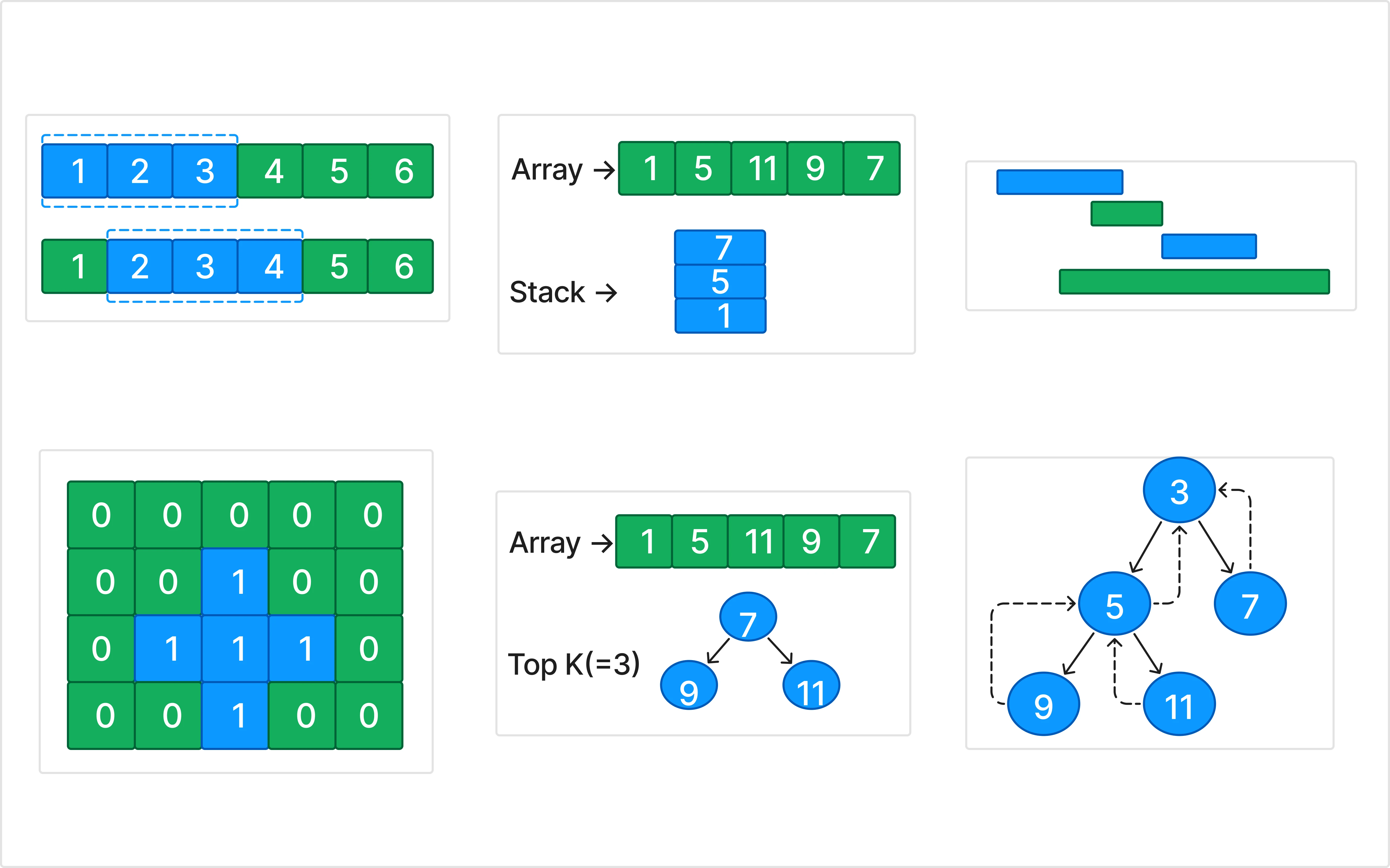
7 Algorithm Patterns Every Developer Should Master for Interviews
20 Core JavaScript Concepts That Will Instantly Make You a More Confident Developer
Eager vs Lazy Loading in Laravel (Clear, Practical Guide)
Top Remote Job Platforms for Full-Stack Developers (International-Friendly)
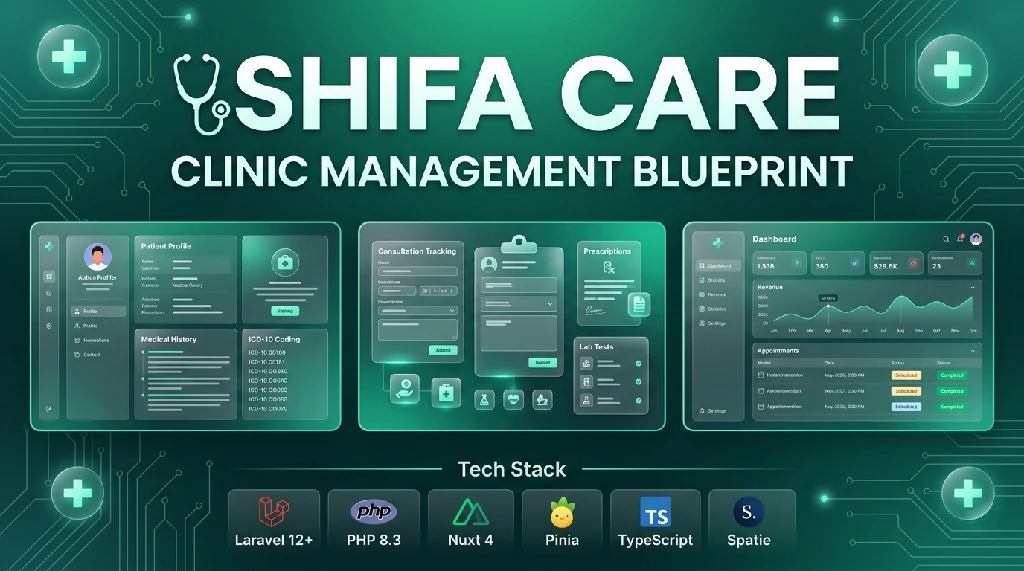
How Modern Clinic Management Systems Are Built in 2026